[comment]: # (This presentation was made with markdown-slides) [comment]: # (This is a CommonMark compliant comment. It will not be included in the presentation.) [comment]: # (Compile this presentation with the command below) [comment]: # (mdslides presentation.md --include media) [comment]: # (Set the theme:) [comment]: # (The list of themes is at https://revealjs.com/themes/) [comment]: # (The list of code themes is at https://highlightjs.org/) [comment]: # "You can also use quotes instead of parenthesis" [comment]: # "example https://github.com/dadoomer/markdown-slides/blob/master/example/presentation.md" [comment]: # (Pass optional settings to reveal.js:) [comment]: # (markdown: { smartypants: true }) [comment]: # (Other settings are documented at https://revealjs.com/config/) ### backend.sql ♥ frontend.js @nileshtrivedi [comment]: # (A comment starting with three or more !!! marks a slide break.)
- This is an idea for open-source, self-hosted webapps - Apps for things like todos, notes, tools - multi-user, multi-device - The overarching goal is simplicity of the stack
- This is an idea for open-source, self-hosted webapps - The overarching goal is simplicity of the stack - For users: Fewer components to install, secure, maintain/upgrade
- This is an idea for open-source, self-hosted webapps - The overarching goal is simplicity of the stack - For users: Fewer components to install, secure, maintain/upgrade - For developers:
- This is an idea for open-source, self-hosted webapps - The overarching goal is simplicity of the stack - For users: Fewer components to install, secure, maintain/upgrade - For developers: - Fewer languages (more devs)
- This is an idea for open-source, self-hosted webapps - The overarching goal is simplicity of the stack - For users: Fewer components to install, secure, maintain/upgrade - For developers: - Fewer languages (more devs) - Less code to write (fewer bugs)
- This is an idea for open-source, self-hosted webapps - The overarching goal is simplicity of the stack - For users: Fewer components to install, secure, maintain/upgrade - For developers: - Fewer languages (more devs) - Less code to write (fewer bugs) - Easier maintenance (happier life)
#### PostgreSQL is awesome!
#### PostgreSQL is awesome! - Rich data types (JSON, PostGIS and more)
#### PostgreSQL is awesome! - Rich data types (JSON, PostGIS and more) - Row-level security (i.e. role-based access)
#### PostgreSQL is awesome! - Rich data types (JSON, PostGIS and more) - Row-level security (i.e. role-based access) - Materialized and non-materialized views
#### PostgreSQL is awesome! - Rich data types (JSON, PostGIS and more) - Row-level security (i.e. role-based access) - Materialized and non-materialized views - Foreign data wrappers
#### PostgreSQL is awesome! - Rich data types (JSON, PostGIS and more) - Row-level security (i.e. role-based access) - Materialized and non-materialized views - Foreign data wrappers - Stored procedures (even in Javascript or Python)
#### PostgreSQL is awesome! - Rich data types (JSON, PostGIS and more) - Row-level security (i.e. role-based access) - Materialized and non-materialized views - Foreign data wrappers - Stored procedures (even in Javascript or Python) - Extensions, LISTEN/NOTIFY
So, PostgreSQL has everything that you need in a backend. But it does not speak HTTP.
And it's kind of silly to bring in a whole language runtime and developer skills just to do this basic SQL-to-JSON plumbing.

#### PostgREST is awesome!
#### PostgREST is awesome! - Generates a high-performance, and secure REST api
#### PostgREST is awesome! - Generates a high-performance, and secure REST api - Can use JWT to switch into roles with row-level security
#### PostgREST is awesome! - Generates a high-performance, and secure REST api - Can use JWT to switch into roles with row-level security - Can expose stored procedures to HTTP
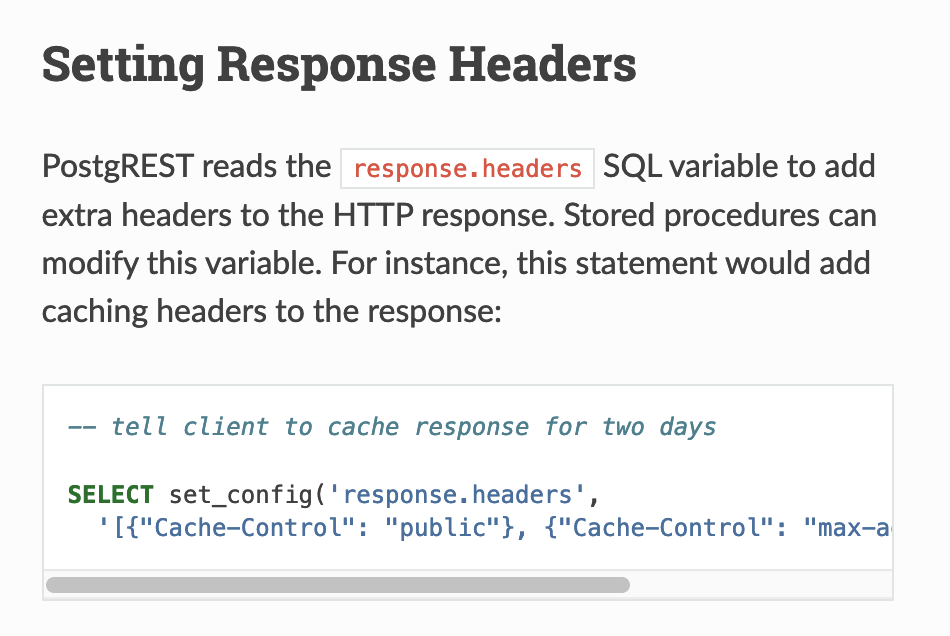
#### PostgREST is awesome! - Generates a high-performance, and secure REST api - Can use JWT to switch into roles with row-level security - Can expose stored procedures to HTTP - Allows custom HTTP response headers
``` GET /people?select=first_name,age,json_data->phones &or=(age.lt.18,age.gt.21) HTTP/1.1 GET /tsearch?my_tsv=fts(french).amusant HTTP/1.1 POST /rpc/function_name HTTP/1.1 ``` ``` PUT /employees?id=eq.4 HTTP/1.1 { "id": 4, "name": "Sara B.", "salary": 60000 } ```
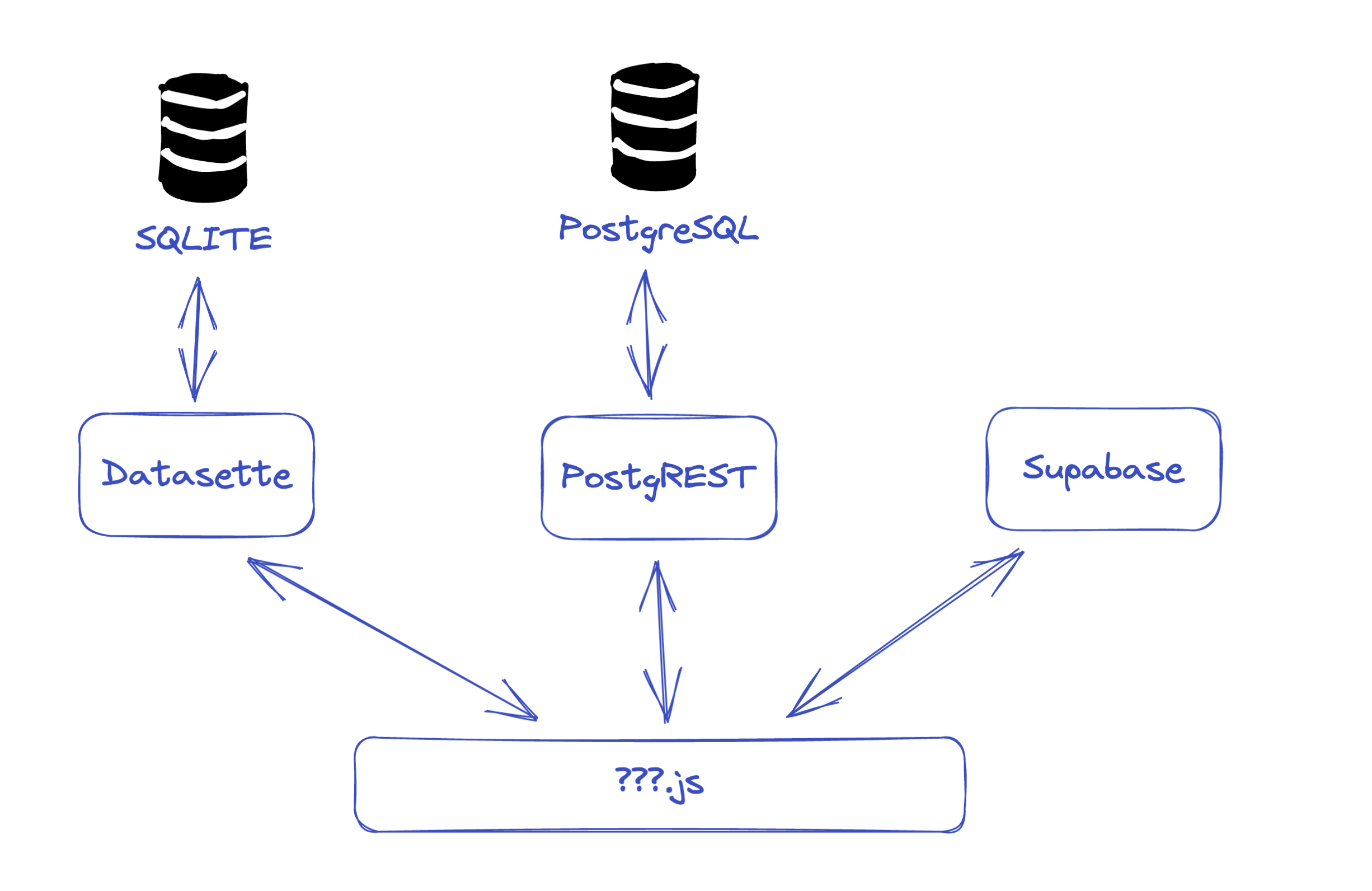
So, PostgreSQL + PostgREST has everything we need in the backend. What about the frontend?
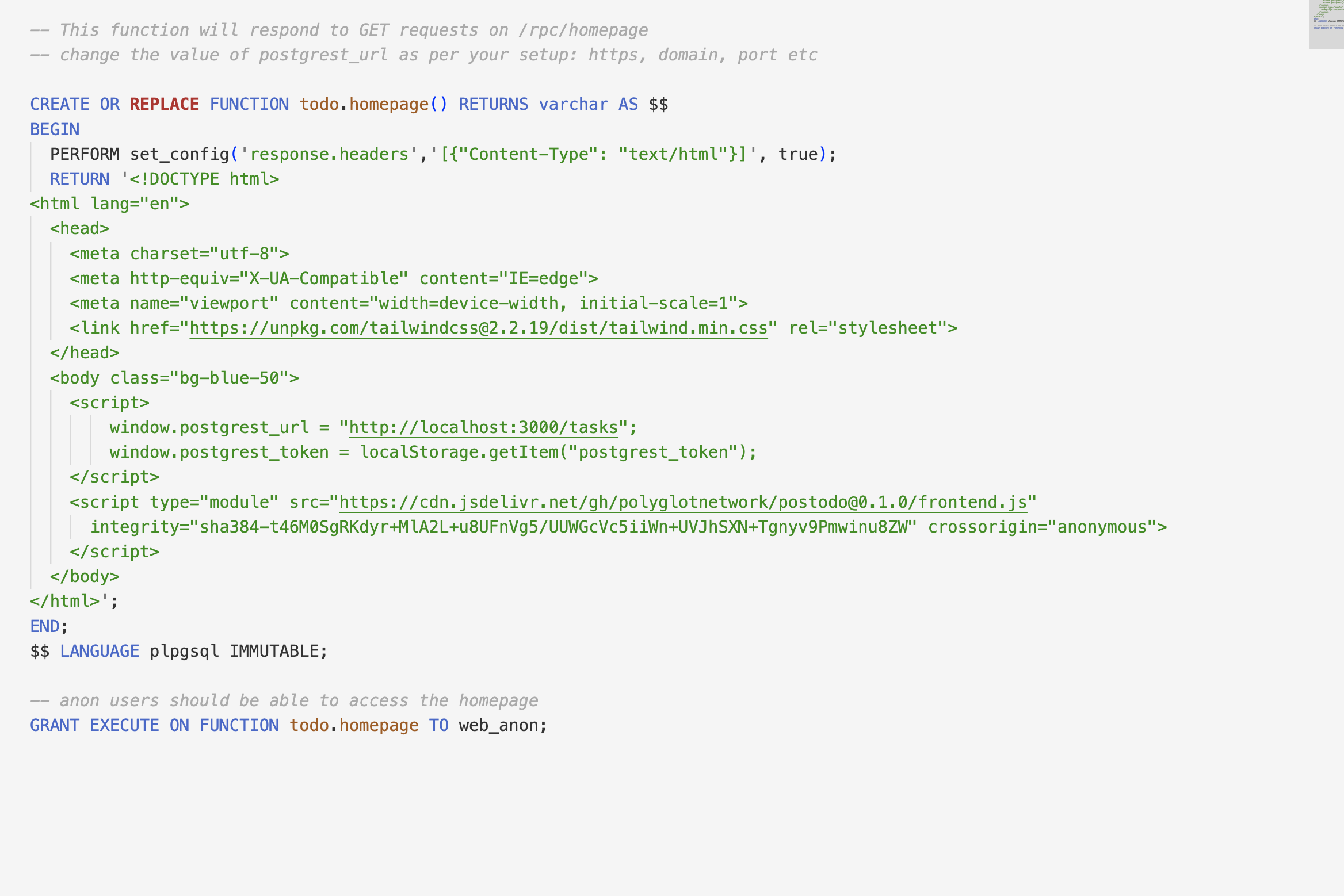
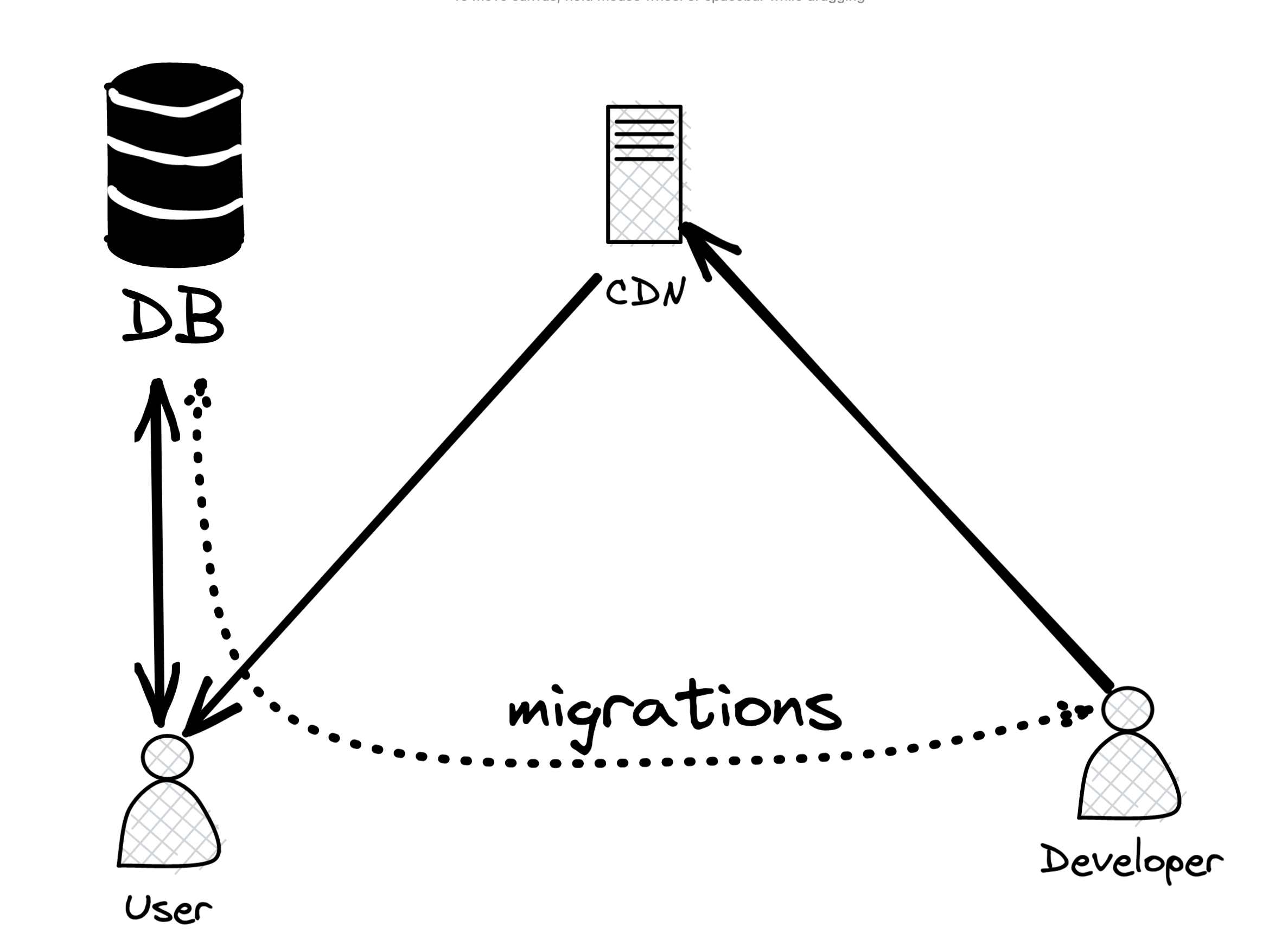
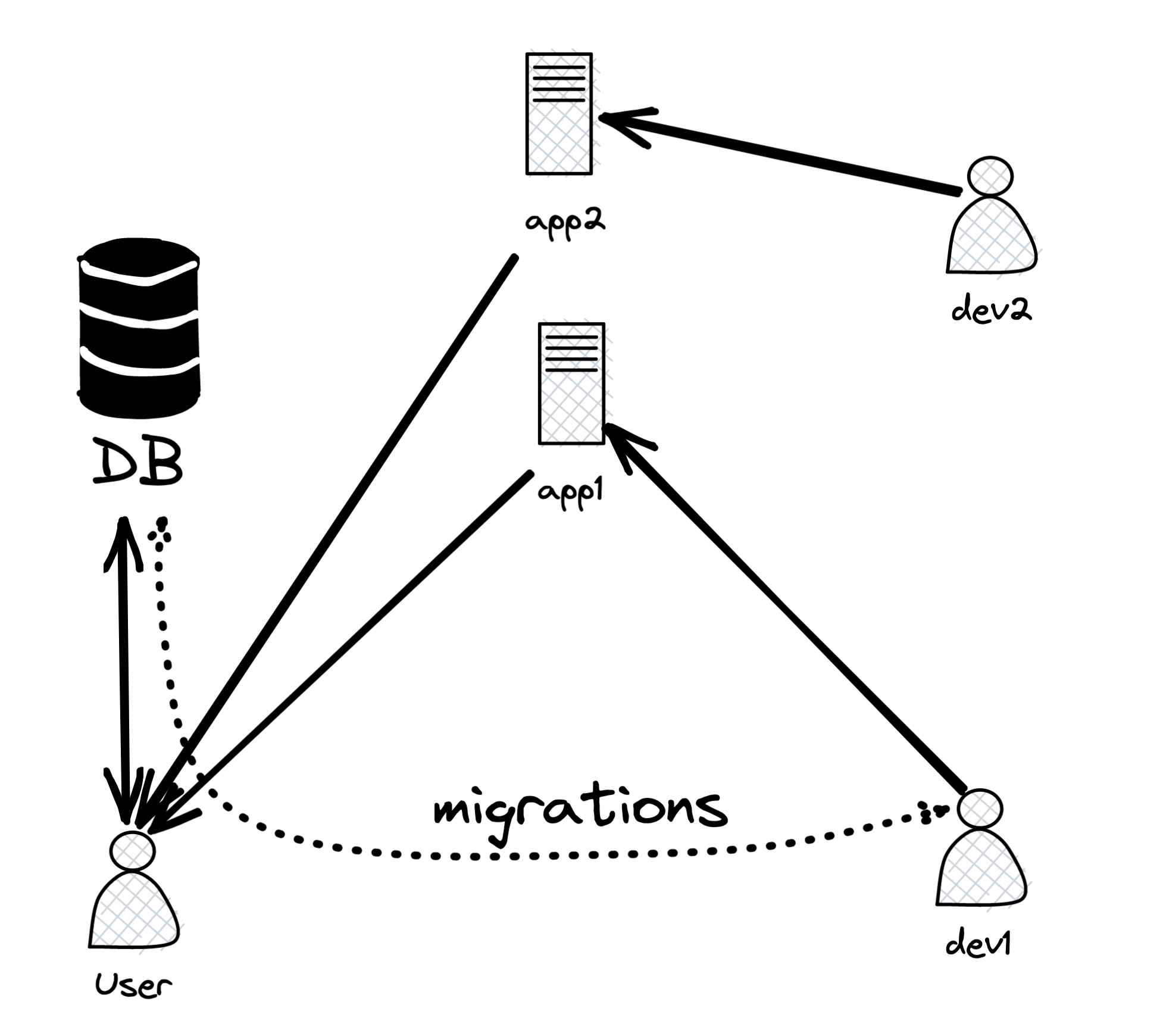
# [Show me the code!](https://github.com/PolyglotNetwork/postodo/)
#### This has two big benefits: - There is no backend code to be written anywhere. The database schema and custom functions provide all the server-side functions an app needs. Entire programming language gets eliminated from our stack.
#### This has two big benefits: - There is no backend code to be written anywhere. The database schema and custom functions provide all the server-side functions an app needs. Entire programming language gets eliminated from our stack. - The frontend can be loaded from CDN and the user doesn't have to update it whenever developers ship bugfixes or improvements.
#### This has two big benefits: - There is no backend code to be written anywhere. The database schema and custom functions provide all the server-side functions an app needs. Entire programming language gets eliminated from our stack. - The frontend can be loaded from CDN and the user doesn't have to update it whenever developers ship bugfixes or improvements. - Especially convenient for self-hosted open-source webapps
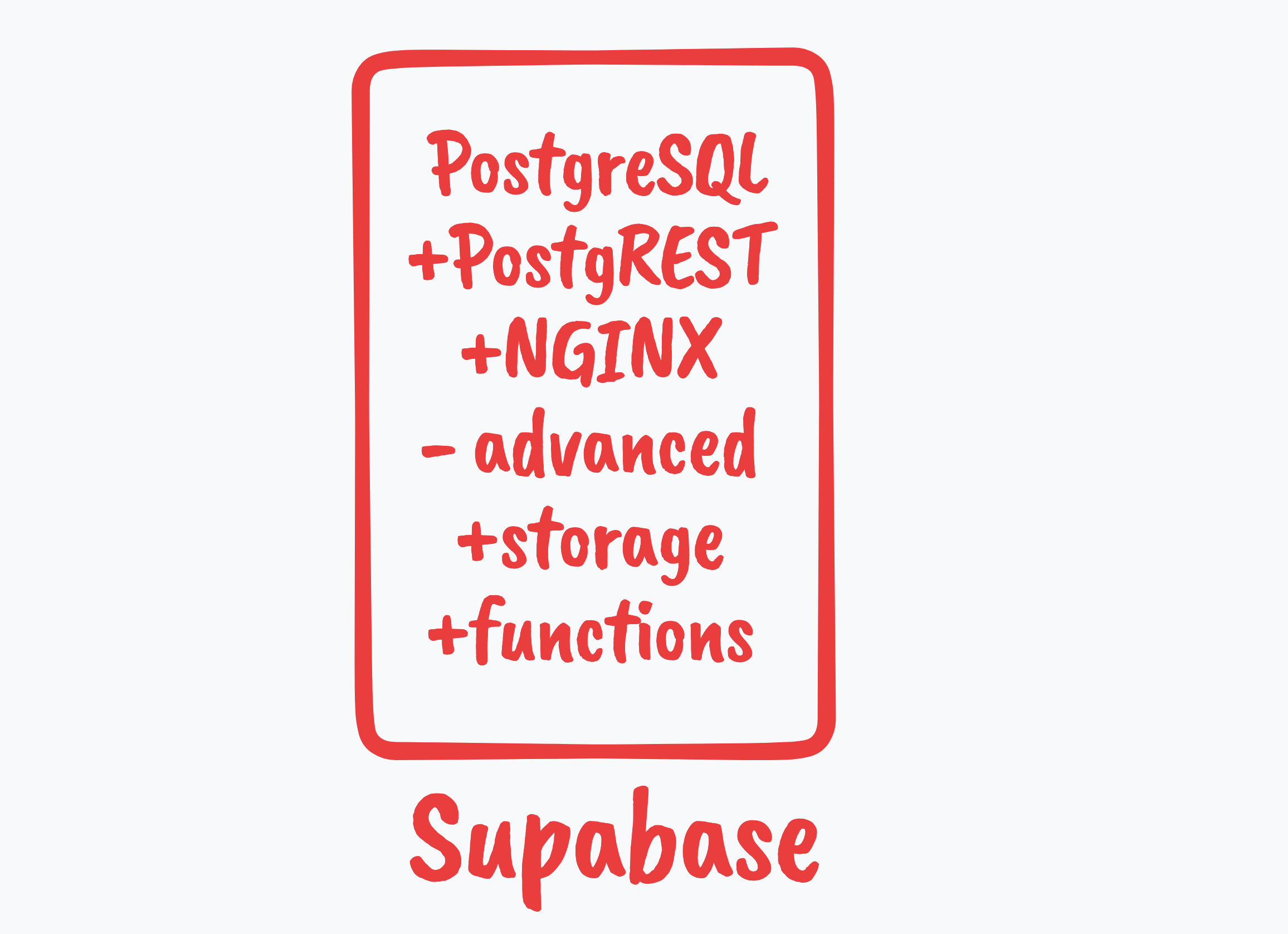
## What about non-CRUD operations? - Background / Periodic jobs: pg_background, pg_cron - External data: Foreign data wrappers, pg_http - Machine learning: Apache MADlib - Webhooks: /rpc, pgpodman - Static files: Supabase storage
## Thank you For questions/critique/ideas/discussions: [github.com/nileshtrivedi/sqljs](https://github.com/nileshtrivedi/sqljs)